



Classification and evaluation of cashmere
2025-02-18
Cashmere, this natural fiber known as "soft gold", has always been considered a symbol of nobility and luxury. There are many types of cashmere, which are usually compared based on six key parameters.
1. Subtlety
(1).Superfine cashmere: Fiber fineness does not exceed 14.5 microns.
(2).Fine cashmere: Fiber fineness ranges from 14.5 microns to 16 microns.
(3).Thick cashmere: The fiber fineness is greater than 16 microns.
2.Age factors
Cashmere obtained from goats less than one year old is of the best quality. Cashmere, which is naturally shed by young goats around the spring equinox, is rare: each young goat can produce only 30-40 grams of yarn in its lifetime. These fibers are very fine, not exceeding 14.5 microns, and the length reaches 32-36 mm, making them an ideal choice for the production of high-quality cashmere products.
3.Color
When it comes to color, white cashmere is usually superior to green, and green, in turn, is better than purple.
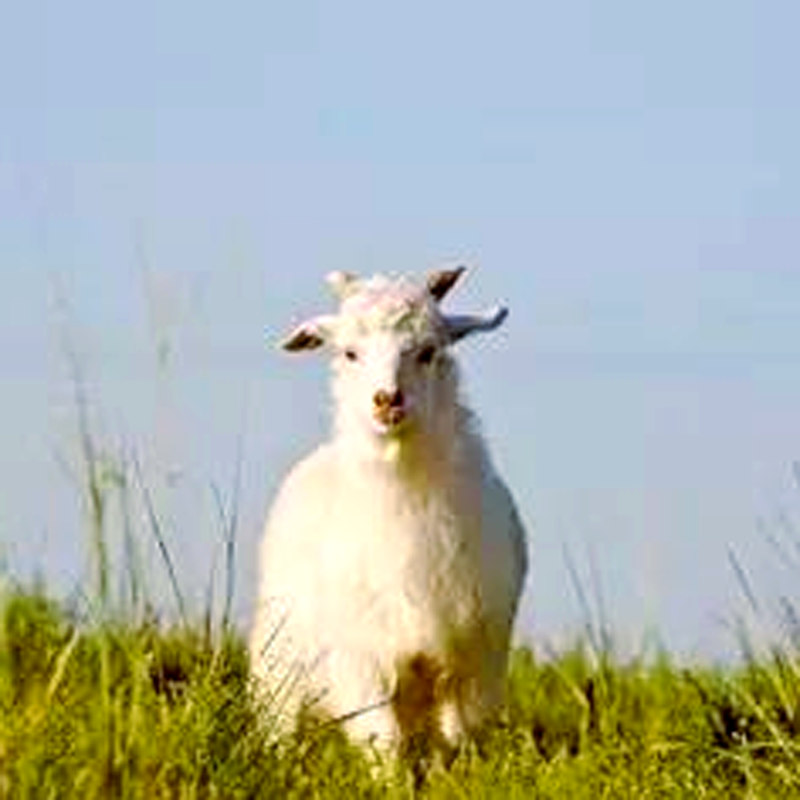
White cashmere comes from the delicate fiber of white goats.
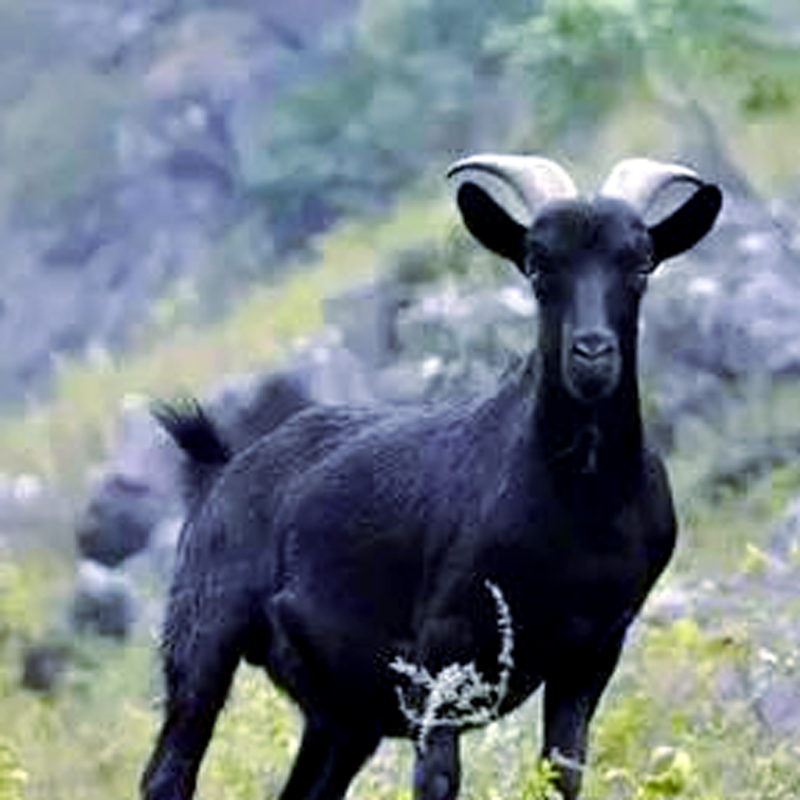
Purple cashmere comes from the valuable fiber of black goats.
Green cashmere comes from the wool of green and brownish goats.
4. Dyeing process
From a health perspective, the ideal dyeing sequence is: undyed (natural) fibers are preferred to dyeing with eco-friendly dyes, followed by dyeing with non-eco-friendly dyes.
5. Technology
In textile technology, spinning fine fibers (fine yarns) is superior to spinning coarse fibers. Generally, yarn rated above 48 is considered fine, while yarn below this standard is considered coarse.
6. It's important to consider weight
A cashmere sweater with more weight obviously has advantages. The price of cashmere is usually measured in grams. If the weight of the sweater is not up to standard, the weight will be insufficient, resulting in thin fabric, poor insulation, and increased susceptibility to pilling.





