





knitting a scarf
This article is a complete guide toknitting a scarf, from yarn selection to final finishing. We'll look at a variety of techniques, patterns, and ways to create unique and stylish scarves suitable for all skill levels. Learn how to knit your first scarf or improve your existing skills.
Selection of yarn forknitting scarf
What types of yarn are suitable?
Choosing yarn is one of the most important stepsknitting scarf. It depends on the desired texture, warmth and appearance of the product. For warm winter scarves, wool, alpaca or mohair are suitable. For summer - cotton, linen or viscose. Pay attention to the thickness of the thread indicated on the label (for example, 50g/100m). Thicker yarn knits faster, but may result in a rougher scarf. Fine yarn allows you to create more delicate and complex patterns, but the knitting process will take longer. Some manufacturers offer excellent yarn, for example, Hohhot Jinye Cashmere Textile LLC (https://www.nmgjyyr.ru/) is known for its quality cashmere, which is ideal for creating luxurious and warm scarves. It is important to take into account the composition of the yarn, the presence of allergens (for example, wool) and, of course, color.
How to determine the required amount of yarn?
The amount of yarn depends on the chosen model, the length and width of the scarf, as well as the thickness of the thread. Manufacturers often indicate the approximate yarn consumption per product. It is better to take some yarn 'in reserve' so as not to find yourself in a situation where there is not enough yarn to complete the work. You can knit a sample, measure it and calculate the required amount of yarn based on the size of the finished product.
Techniciansknitting scarf
Knitting
Knitting - a classic and universal wayknitting scarf. There are many different knitting techniques, from simple stockinette stitches and purl stitches to complex lace stitches and cable stitches. For beginners, simple patterns that are easy to master are ideal. More experienced knitters can experiment with different patterns and techniques to create unique and intricate pieces.
Crochet
Crochet allows you to createscarveswith different textures and patterns. The hook allows you to create a thicker fabric, ideal for winter scarves. You can use various crochet techniques, for example, single crochets, double crochets, and openwork patterns. Simple patterns such as chain stitches and single crochets are great for beginners.
Patterns forknitting scarf
The choice of pattern depends on your preference and skill level. Simple patterns such as stockinette stitch or garter stitch are ideal for beginners. More complex patterns, such as openwork or braids, require more experience and care. On the Internet you can find many diagrams and descriptions of various patterns forknitting scarf.
Schemes and descriptions
On the Internet and specialized magazines on needlework you can find a large number of diagrams and descriptionsknitting scarf, suitable for different difficulty levels. Pay attention to the difficulty level and materials used before starting work. Don't be afraid to experiment and create your own patterns!
Finishingknitted scarf
After completing the knitting, you need to finish the scarf. This may include blocking, washing, finishing edges and adding decorative elements. Proper finishing will give the scarf a finished look and extend its service life.
| Technique | Benefits | Disadvantages |
|---|---|---|
| Knitting | Versatility, wide variety of patterns | May be more difficult for beginners |
| Crochet | Faster, different textures | Less versatile in patterns |
We hope this article helped you understand the intricaciesknitting scarf. Happy creativity!
Correspondingproducts
Related Products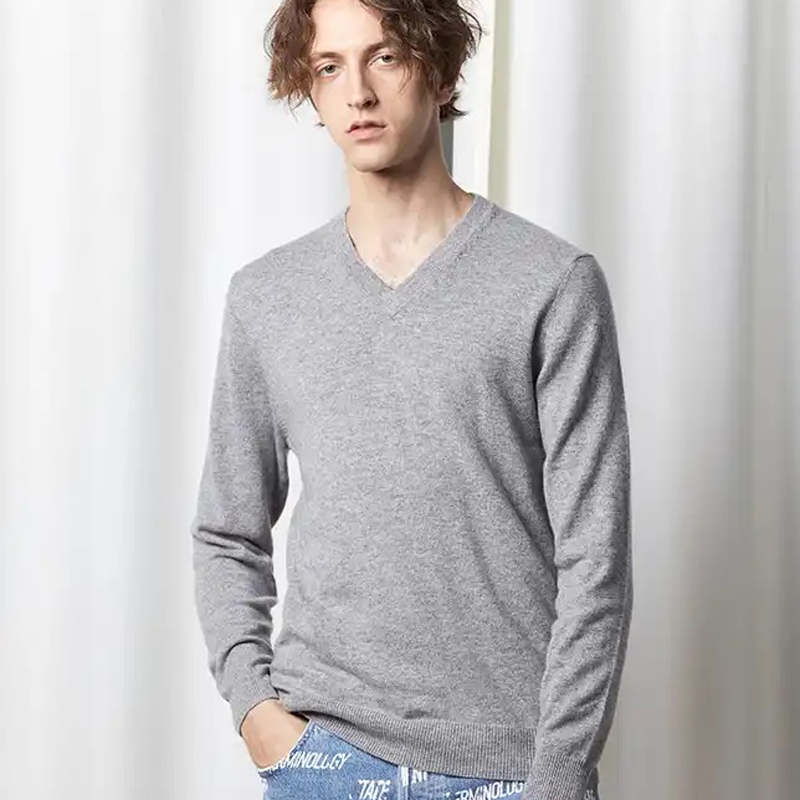
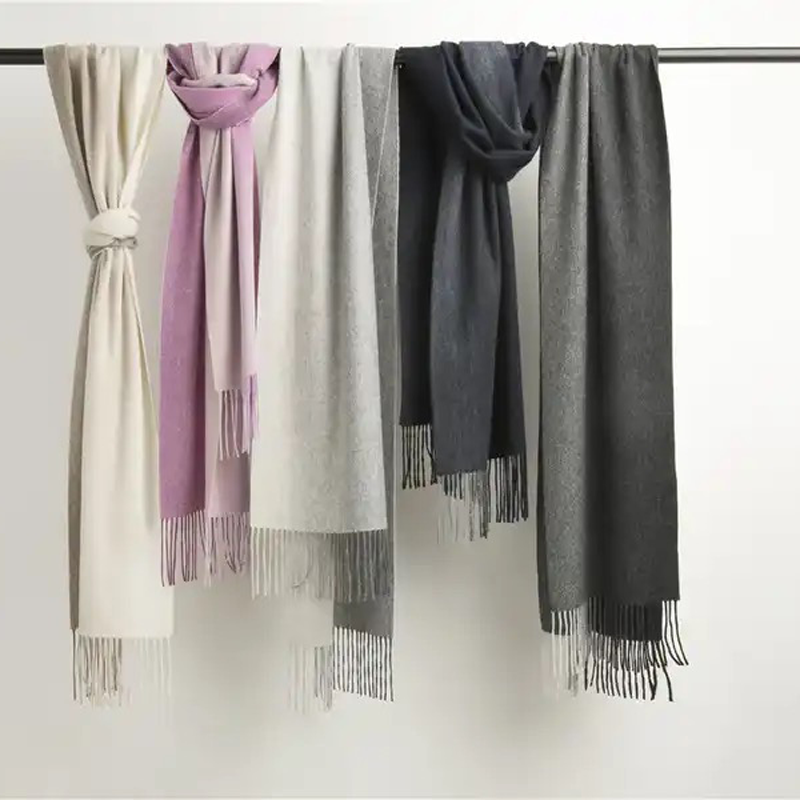

Best Sellingproducts
Best Selling Products-
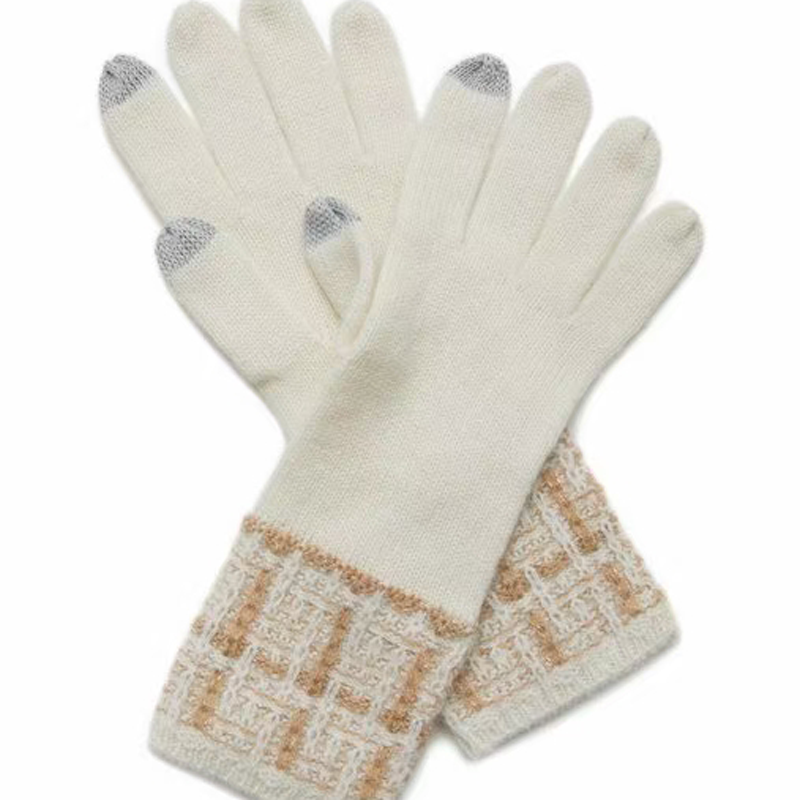 Gloves Product Collection
-
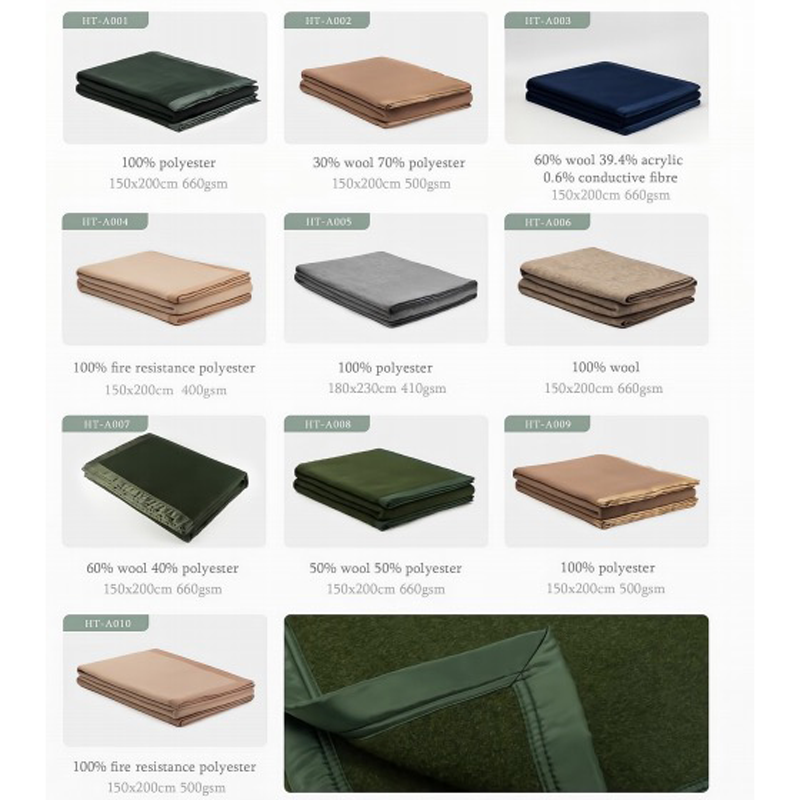 Army Blanket Product Collection
-
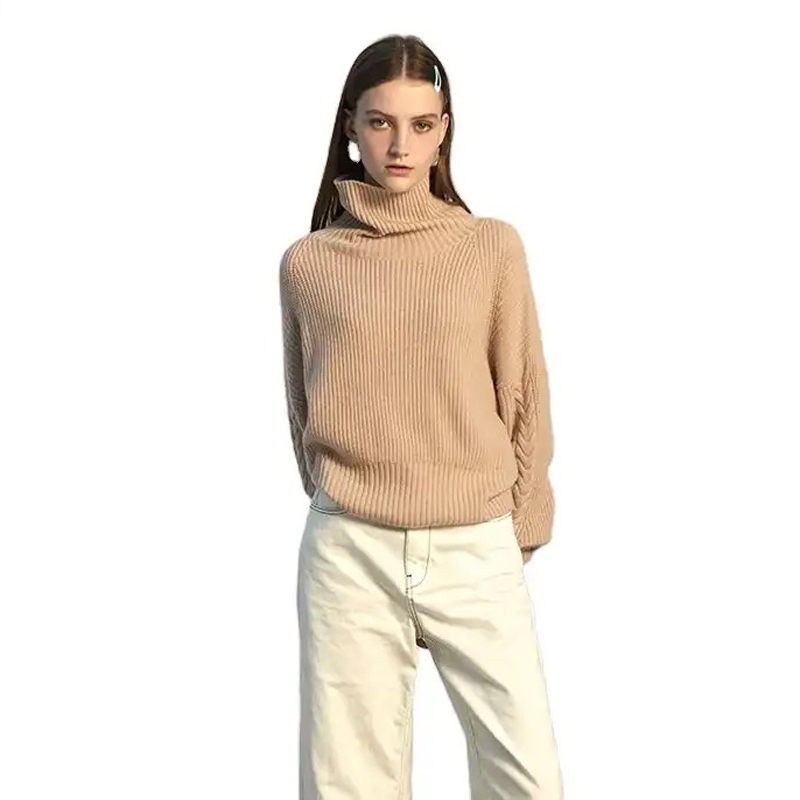 Fashionable 100% cashmere sweater
-
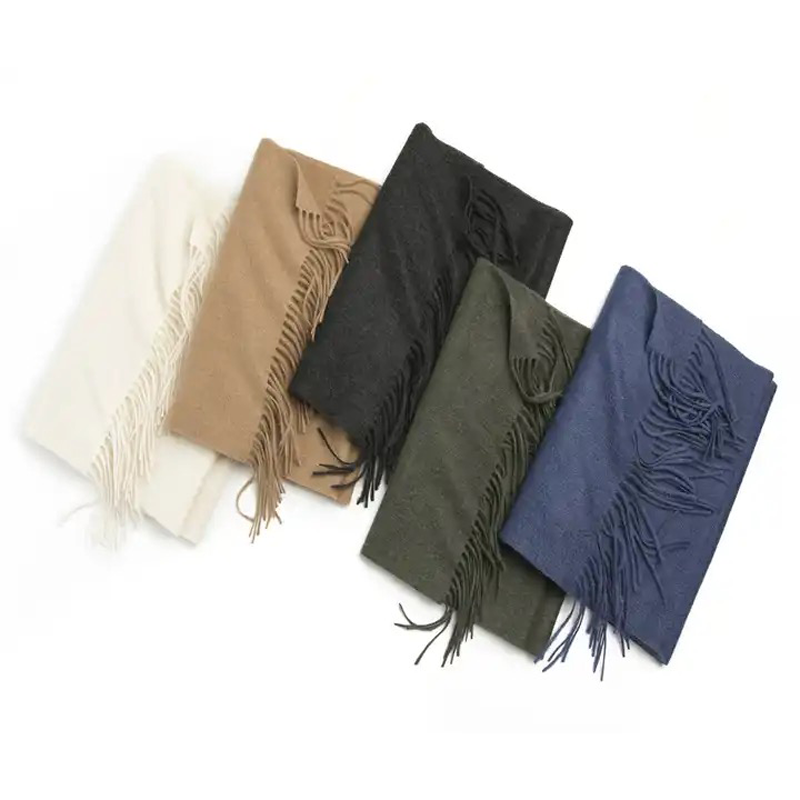
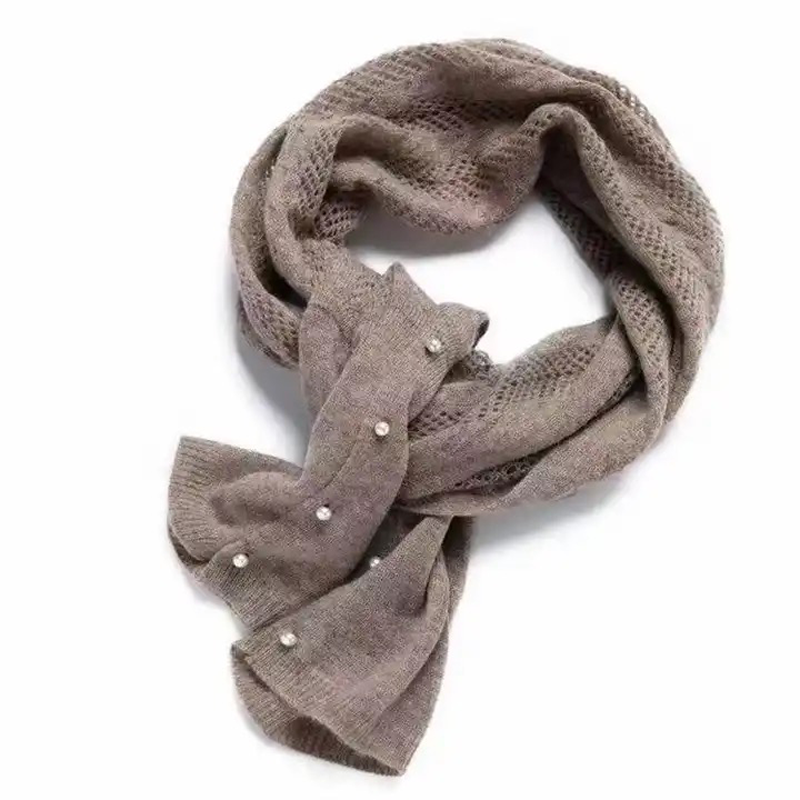 Latest design custom made winter wool scarf
-
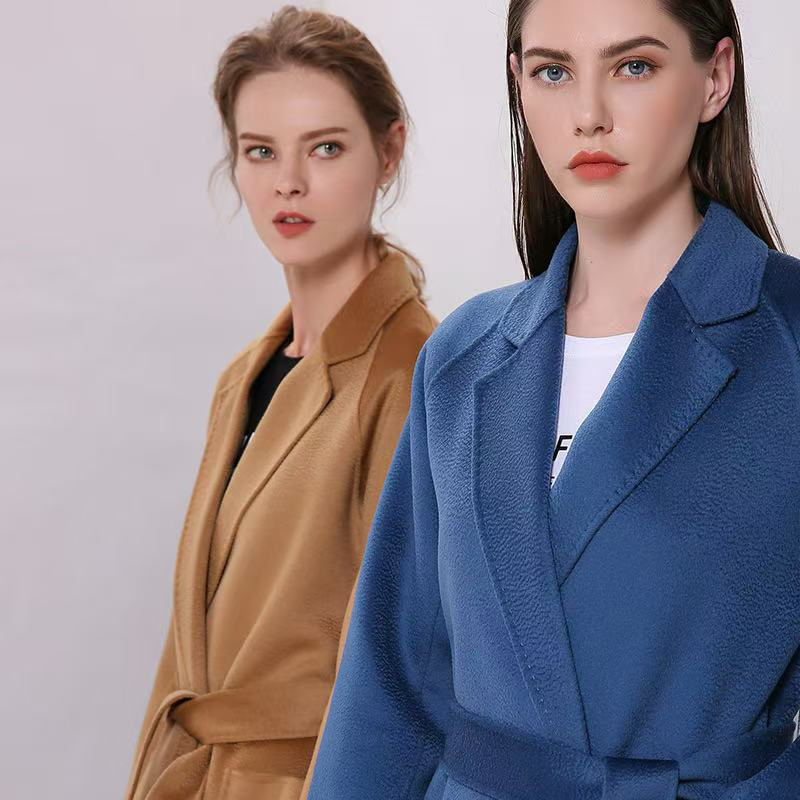
 European and American Fashion Long Jacket, Women's Wool and Cashmere Blend Double Breasted Jacket
-
 Wool Blanket Product Collection
-
 100% Cashmere Winter Sweater Men Turtleneck Zip Pullover
-
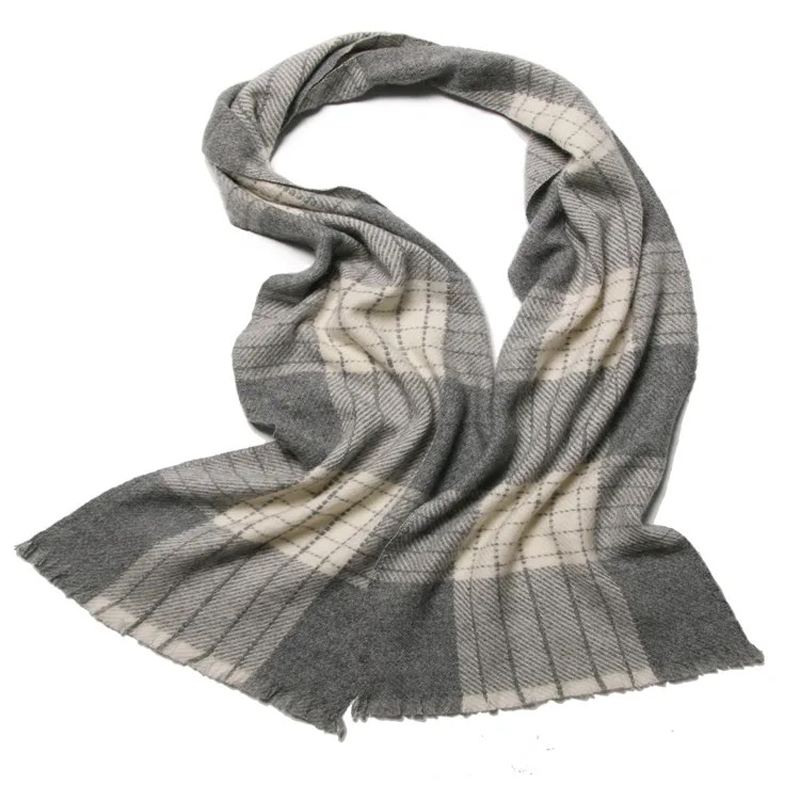 Men's scarf made of 100% wool checkered scarf
-
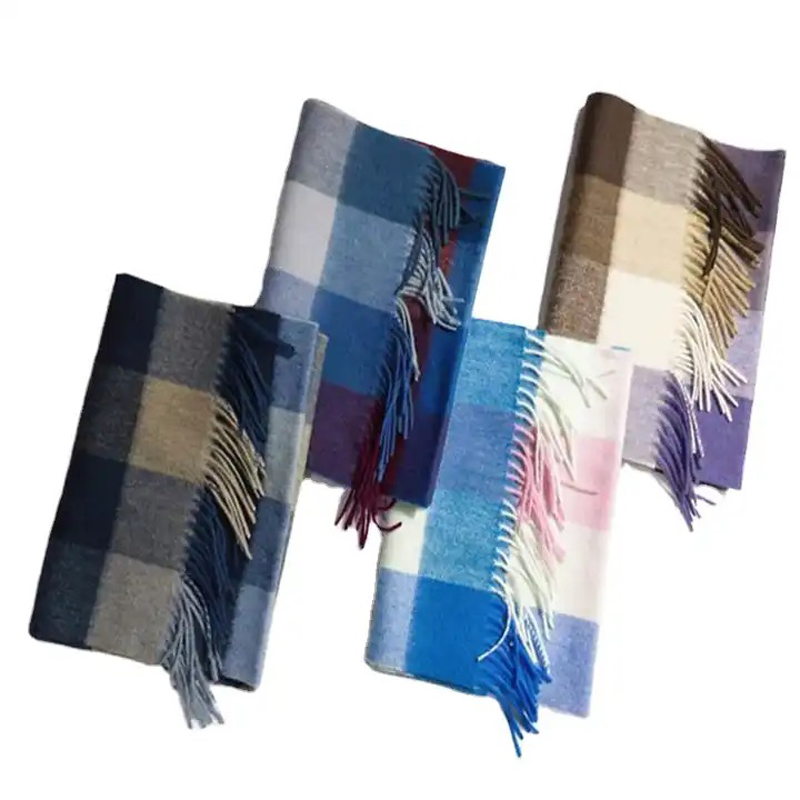 Warm and soft wool plaid scarf with tassels
-
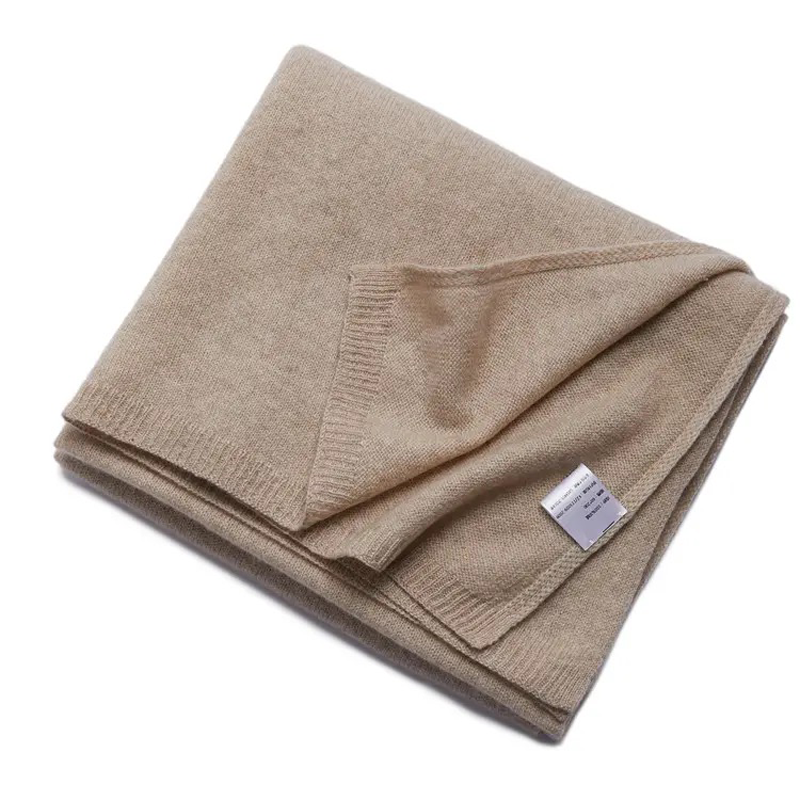 Pure Mongolian wool scarf
-
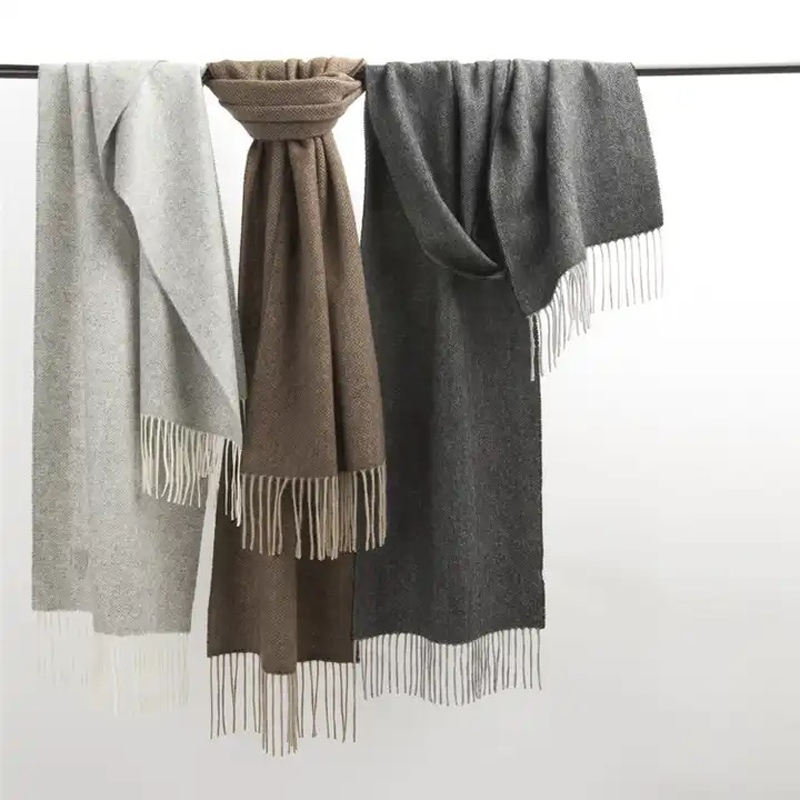 Men's Winter Fashion Formal Soft Cashmere Scarf
-
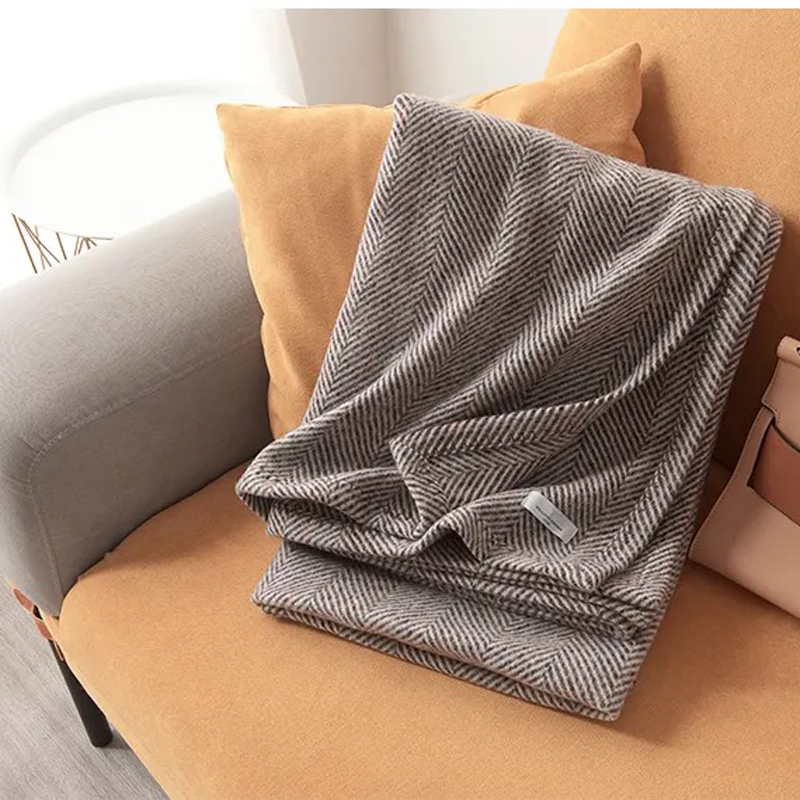 wool blanket
Relatedsearch
Related Search- excellent women's cashmere scarf
- Suppliers of cheap thermal underwear glissade
- Chinese comfortable thermal underwear factory
- Shawl price 3
- Chinese thermal underwear manufacturers
- excellent thermal underwear glissade
- Official thermal underwear suppliers
- Price for winter thermal underwear
- Buy 2 shawls
- Children's wool socks OEM