





crochet cape
This article will provide you with comprehensive information aboutcrochet cape, including different patterns, knitting techniques, yarn selection and care tips. We'll cover detailed instructions, inspiration, and helpful resources to help you create your own unique and stylish cape.
Selection of yarn forcrochet capes
Yarn types
Yarn selection plays a key role in creating the perfectcrochet capes. Let's consider the main types: cotton (for summer options), wool (for warm winter capes), acrylic (a budget and practical option), mohair (for fluffy and voluminous models), and blended yarns that combine the best qualities of different fibers. The quality of the yarn affects the appearance and durability of the finished product. Pay attention to the thickness of the thread (there is usually a number in the instructions), since the hook size and knitting speed depend on this. For thin threads, smaller hooks are suitable, and for thick threads, larger ones. When choosing yarn, consider seasonality and the purpose of the cape.
Recommendations for selection
Do not forget about the yarn meter - this is the length of the thread in the skein (usually indicated on the label). Meterage will help you calculate the required number of skeins for your model. Before starting work, it is always recommended to knit a small sample to ensure the correct choice of yarn and hook, as well as to evaluate the tightness of the knitting. Forcrochet capesIt is important to choose a yarn that will be pleasant to the body and comfortable to wear.
Knitting techniquescrochet capes
Basic Techniques
Knittingcrochet capesmay include various techniques: air loops, single crochets, double crochets, relief stitches, fillet mesh and much more. The choice of technique depends on the chosen model and the desired effect. For beginners, it is recommended to start with simple patterns using basic knitting techniques. Gradually you can master more complex techniques and create unique patterns.
Popular patterns
There are a huge variety of crochet patterns. Some popular options forcrochet capesinclude openwork patterns, braided patterns, geometric patterns, and ethnic motifs. The choice of pattern depends on your taste and style.
Examples of modelscrochet capes
On the Internet you can find many patterns and descriptions for knitting.crochet capesof varying complexity. Start by looking for simple models that are suitable for beginners. Pay attention to the detail of the description and the presence of diagrams. Gradually move on to more complex models as you develop your skills.
| Model | Difficulty | Yarn |
|---|---|---|
| Simple openwork cape | Beginner | Cotton |
| Cape with embossed columns | Medium | Wool |
| Voluminous cape with mohair | Advanced | Mohair |
Carecrochet cape
Proper carecrochet capewill extend its service life. Follow the care instructions on the yarn label. In most cases, hand washing in warm water using a mild detergent is recommended. Avoid spinning and machine drying. It is best to let the cape dry horizontally, spreading it on a towel.
We hope this article helped you learn more about knittingcrochet capes. Don't be afraid to experiment and create your own unique models! For inspiration and additional patterns, visit websites with crochet tutorials. Happy creative success to you!
Correspondingproducts
Related Products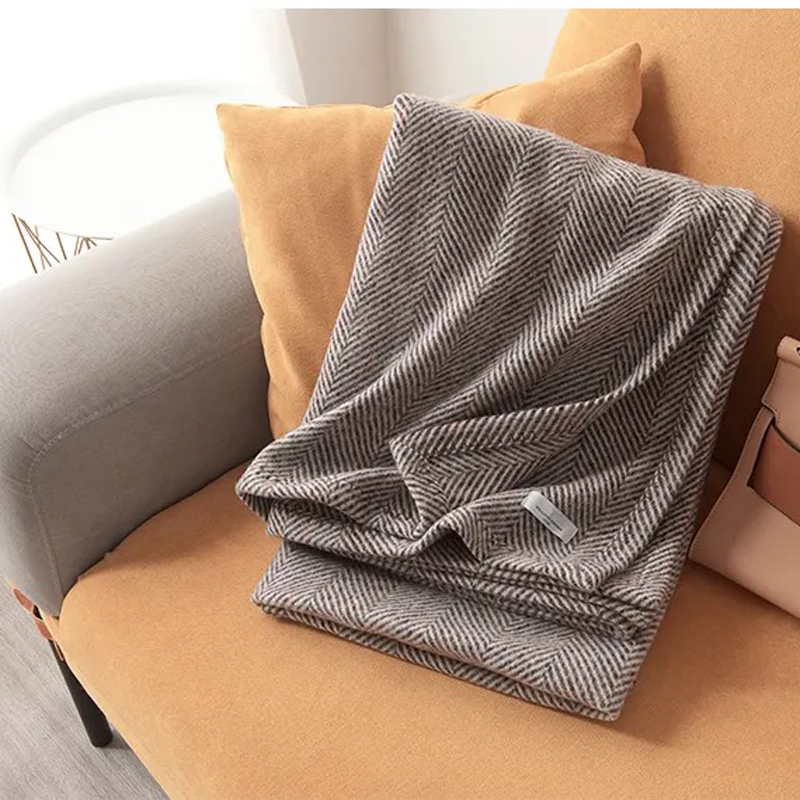
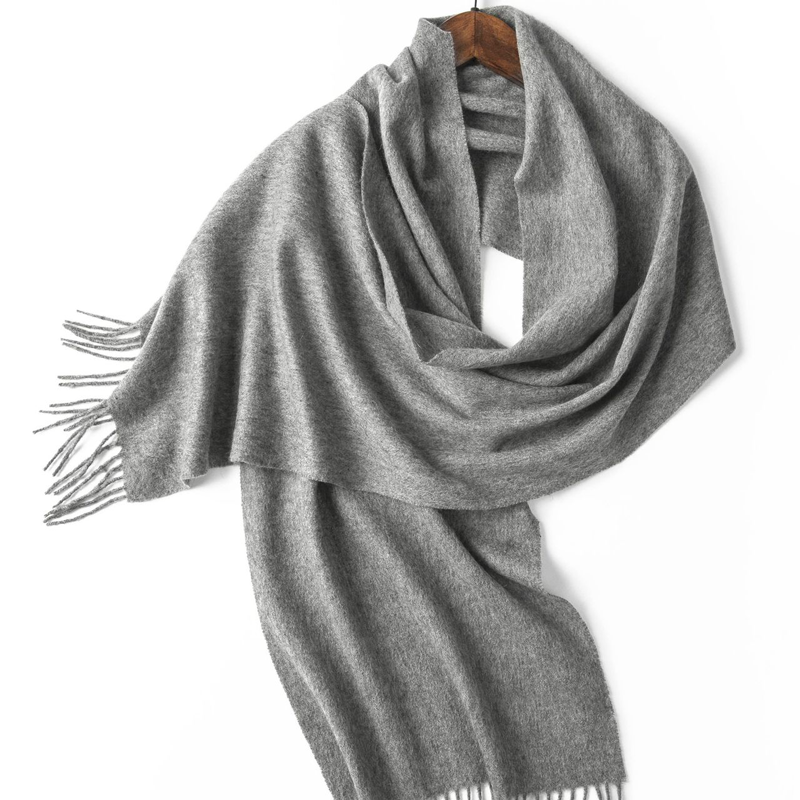
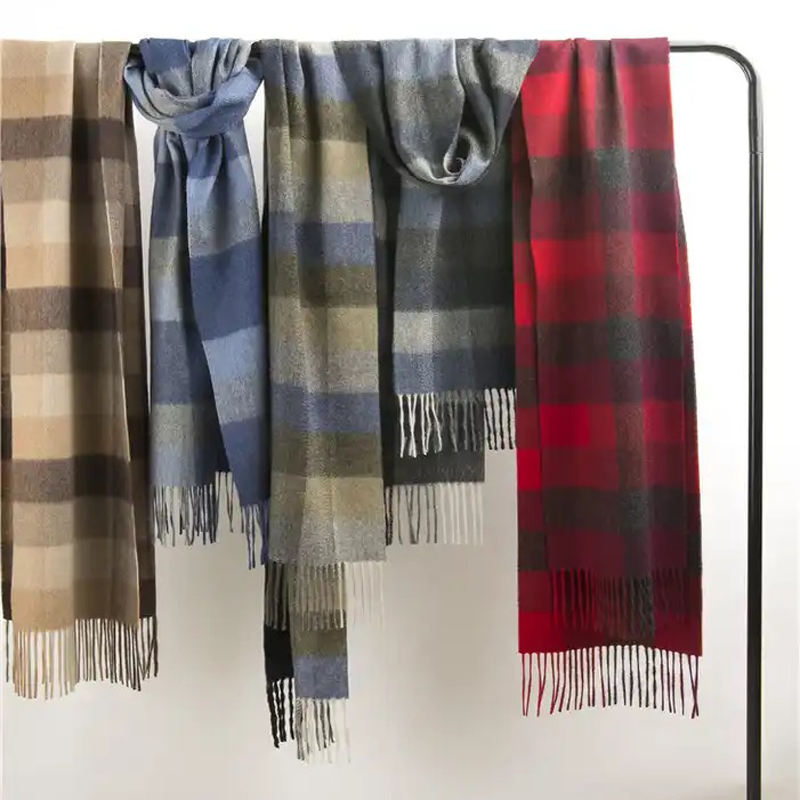
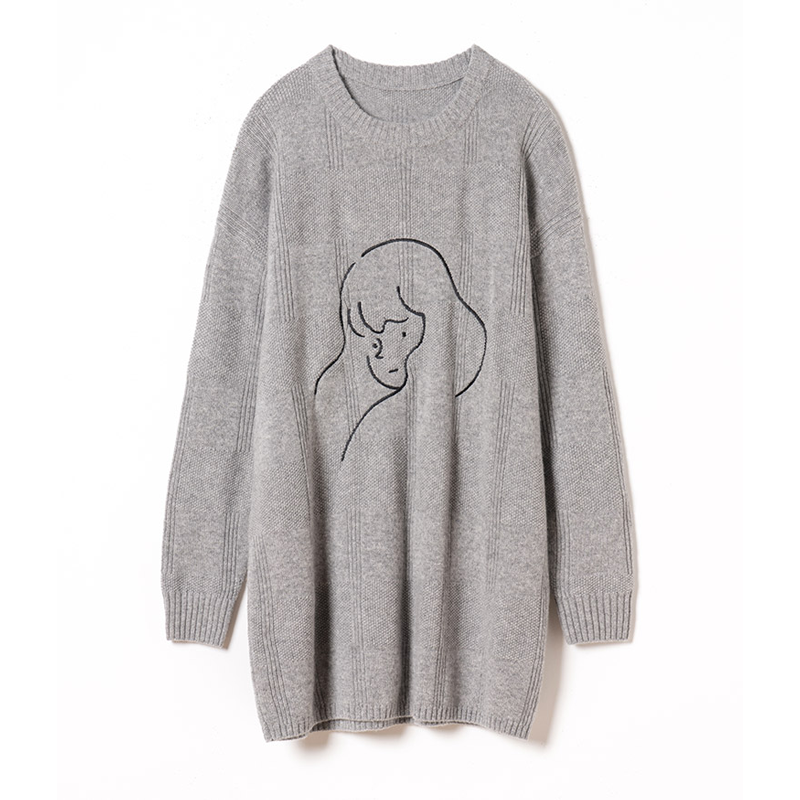

Best Sellingproducts
Best Selling Products-
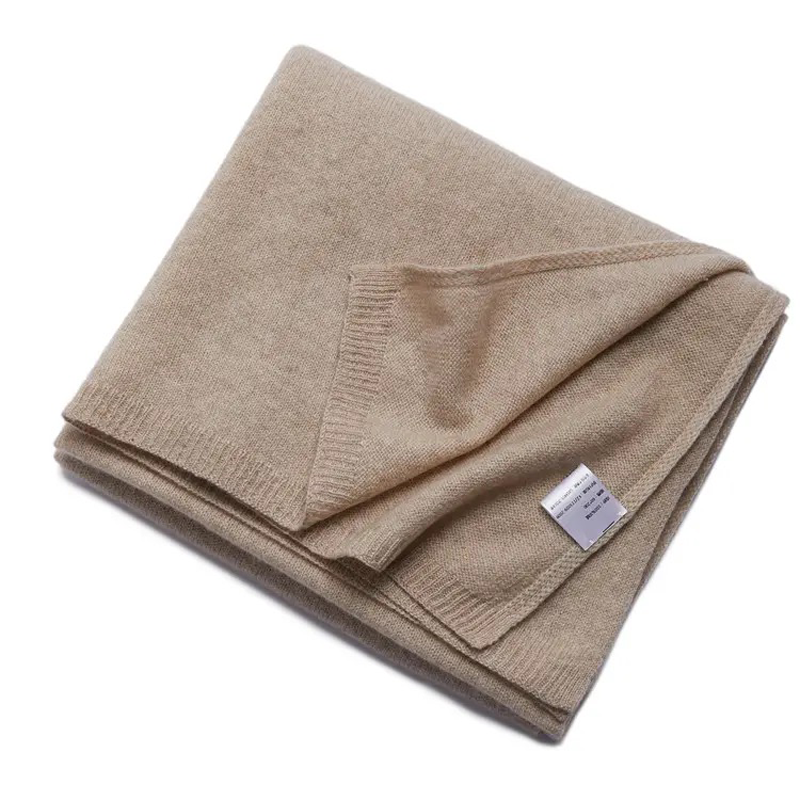 Pure Mongolian wool scarf
-
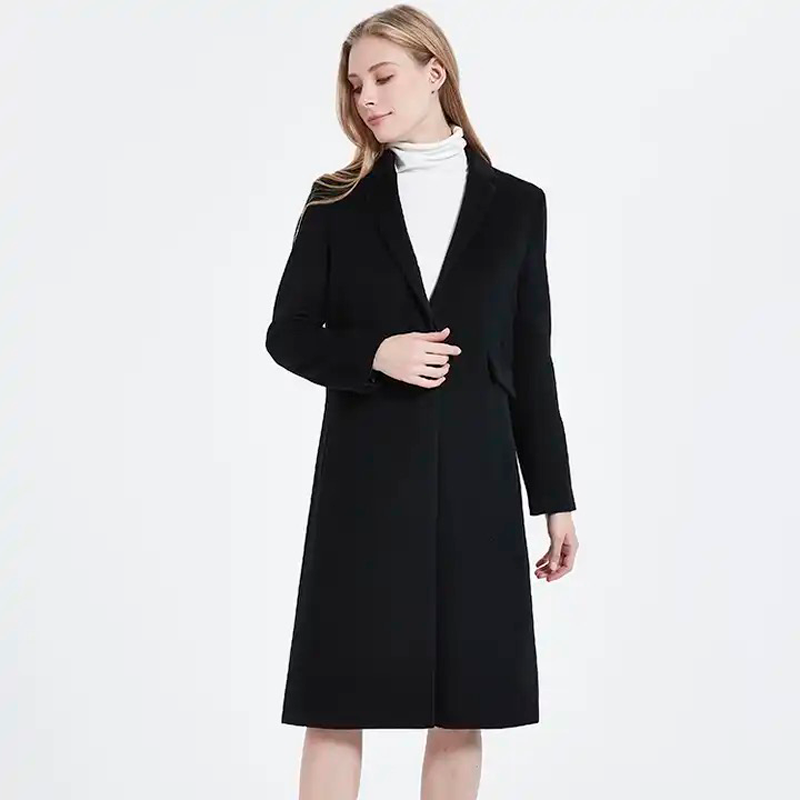 European and American Fashion Long Jacket, Women's Wool and Cashmere Blend Double Breasted Jacket
-
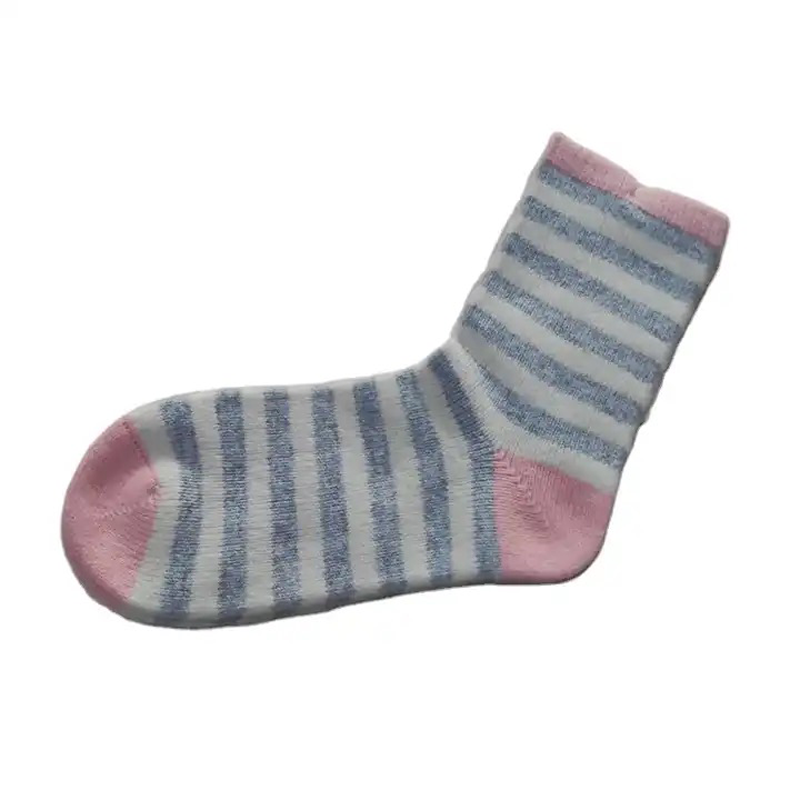 Cashmere wool socks
-
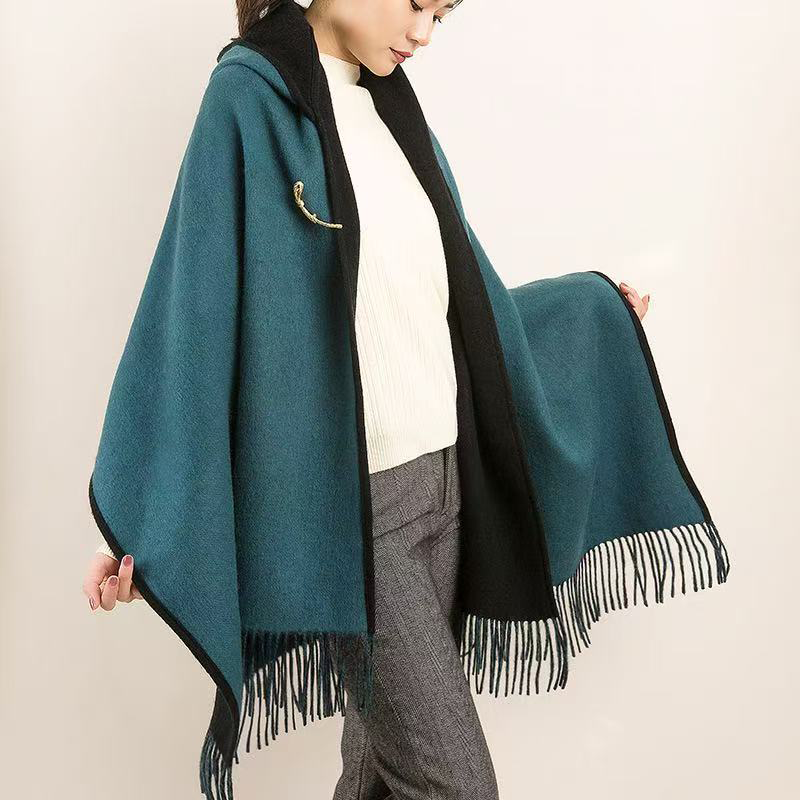 Shawls Product Collection
-
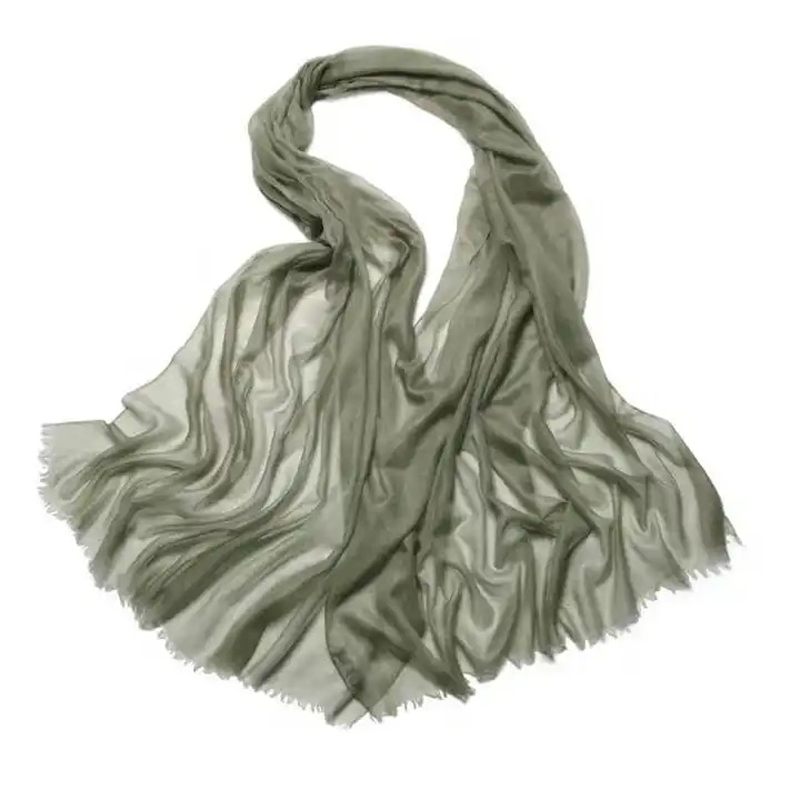 Popular on sale pure Mongolian wool pashmina scarf
-
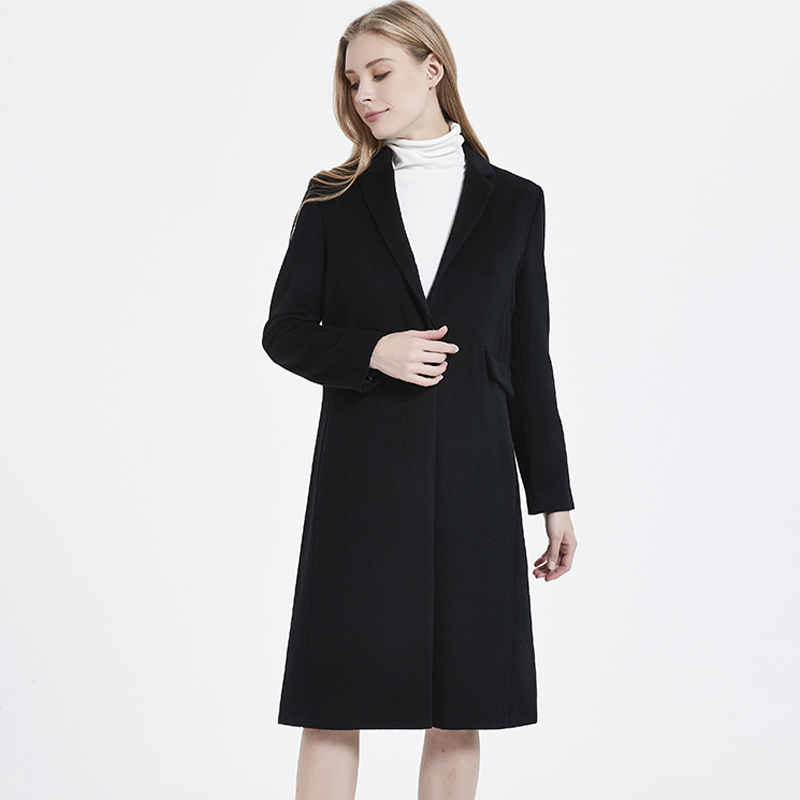 Cashmere coat Product collection
-
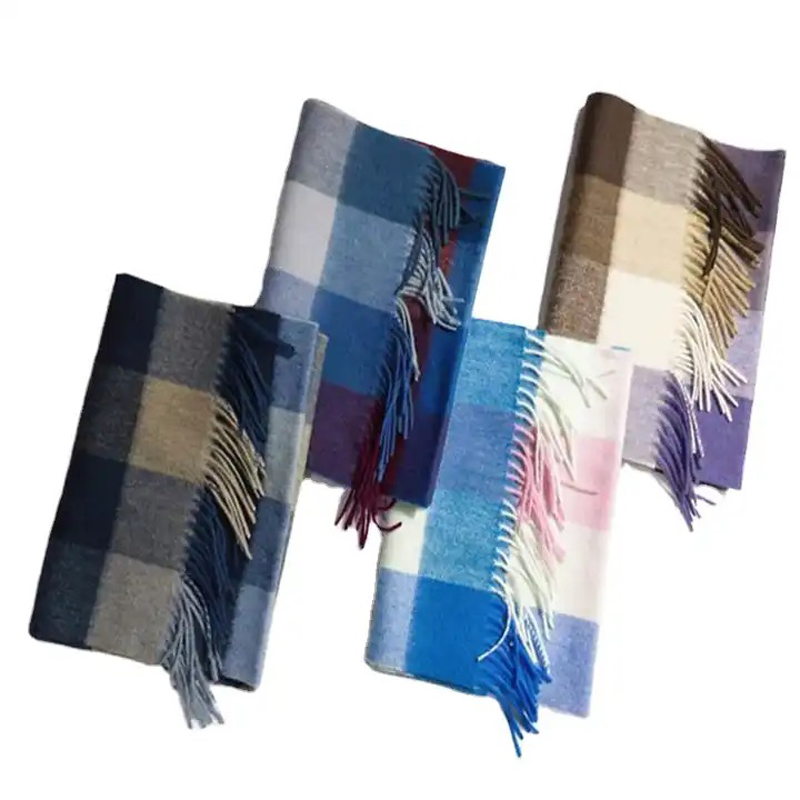 Warm and soft wool plaid scarf with tassels
-
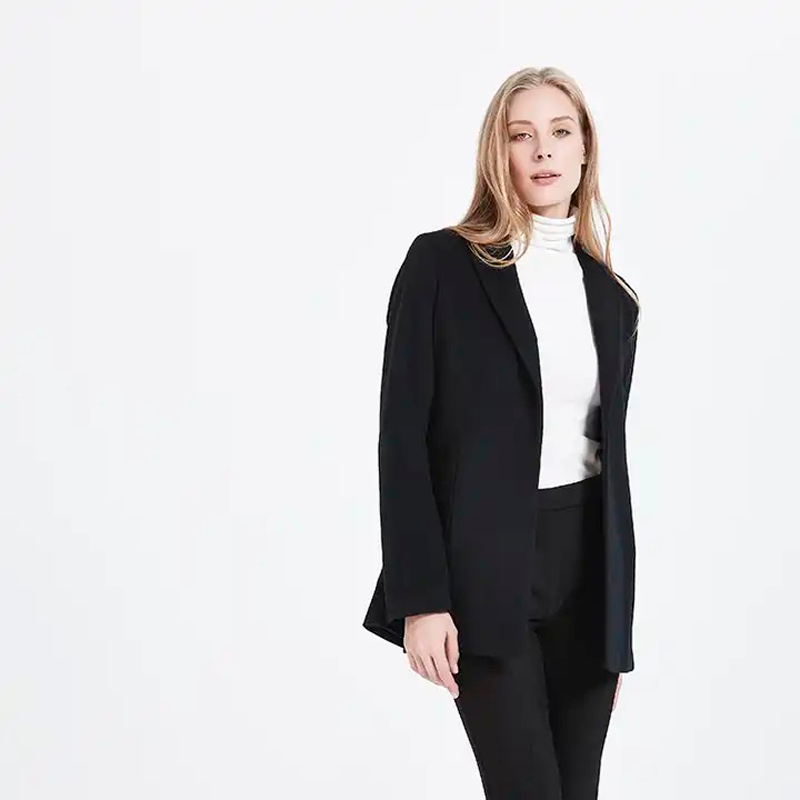 New 100% cashmere women's winter jacket, very popular in European and American style
-
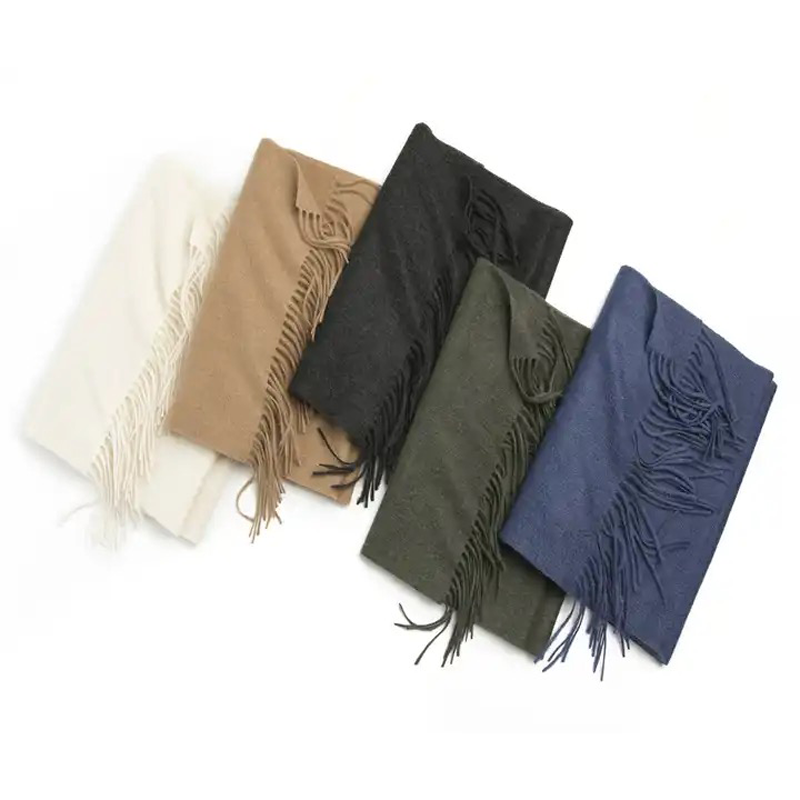 Thicken Winter Fashion Luxury Solid Color Cashmere Scarf
-
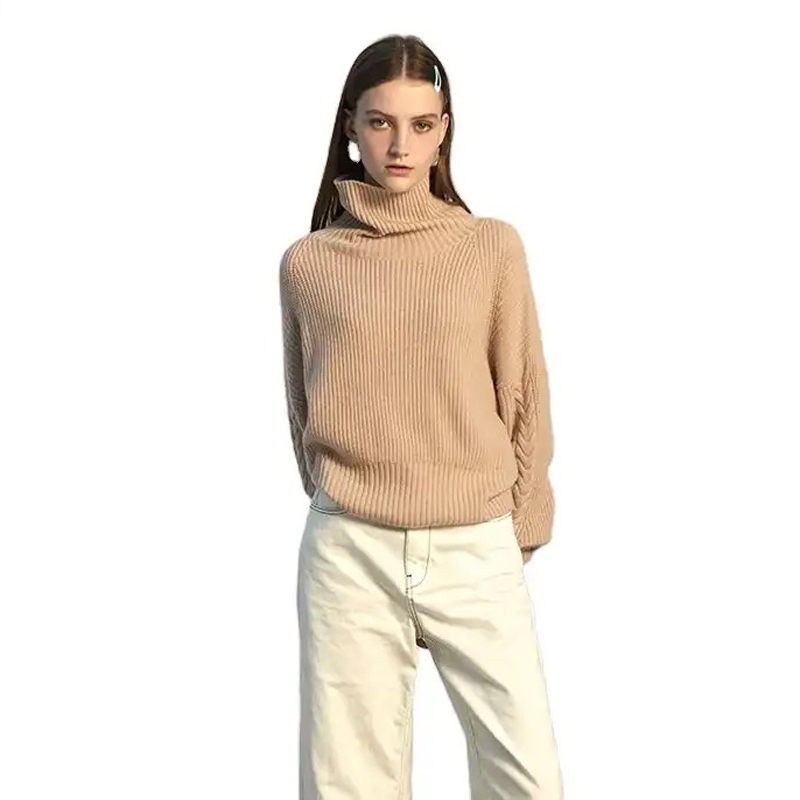 Fashionable 100% cashmere sweater
-
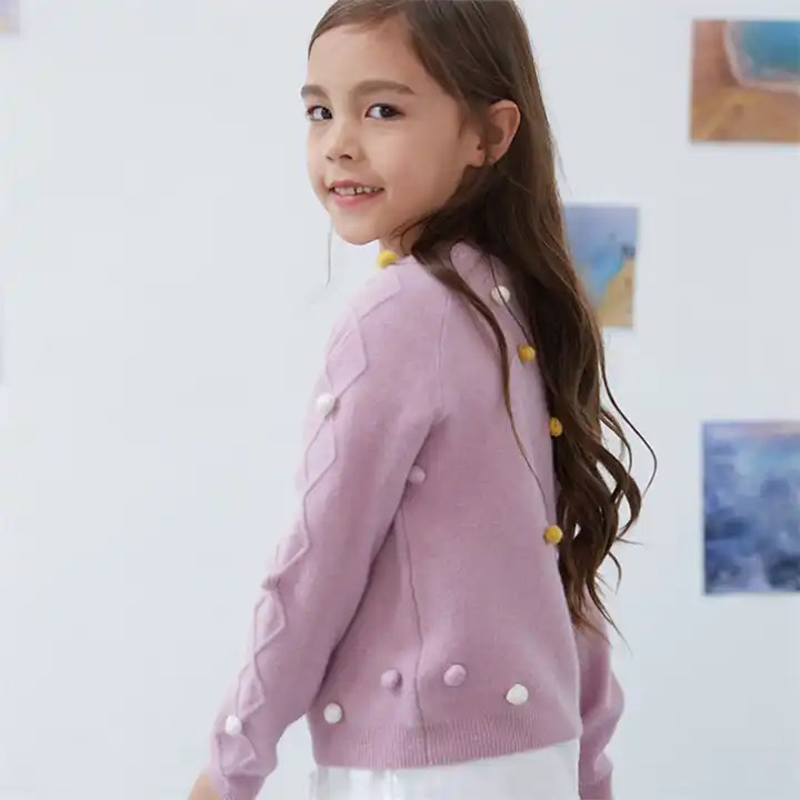 Knitted children's cashmere sweater with a cute girl pattern
-
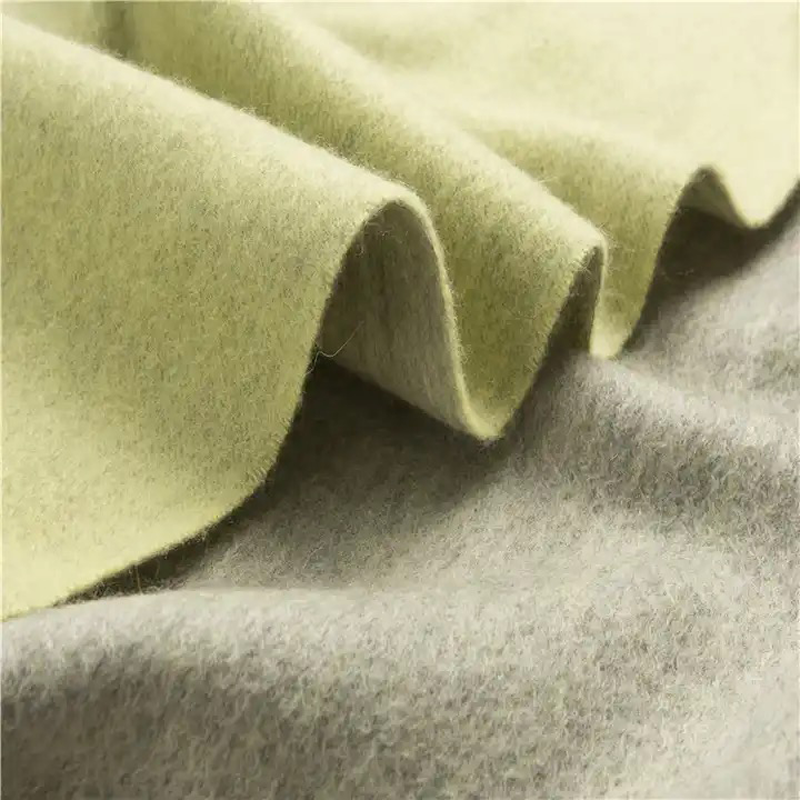 Italian scarf 100% cashmere reversible cashmere shawl
Relatedsearch
Related Search- Shawl Factory No. 6
- OEM thermal underwear Norfin
- China Women's knitted wool hat
- Leading Women's Cashmere Sweaters
- China thermal underwear factory 4
- Manufacturers of long wool scarves
- Lead scarves
- Chinese thermal underwear manufacturer glissade
- China hat wool hat men's winter knitted
- Chinese thermal underwear suppliers